


Puppy Pads vs Crate Training: Which Is Best for You?

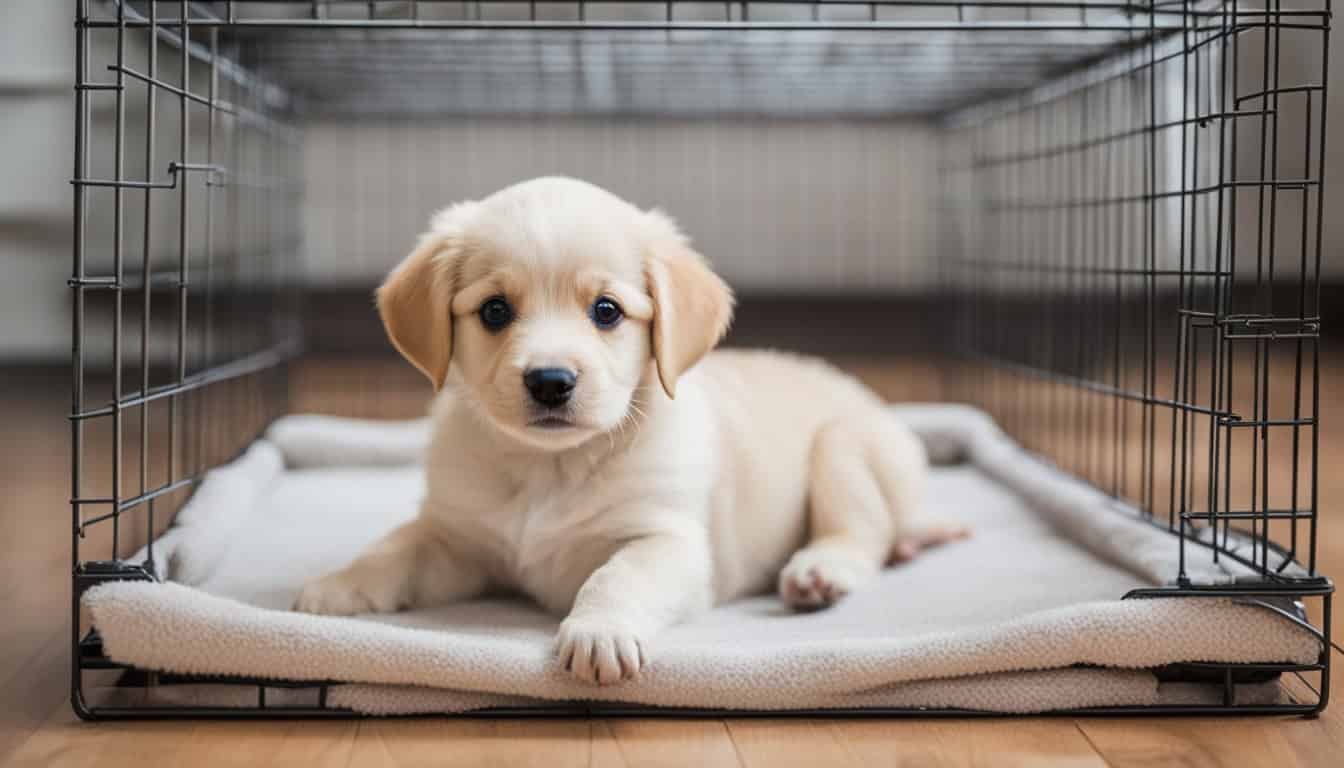
Raising a new puppy can be an exciting but challenging experience, especially when it comes to house training. Two popular methods for potty training puppies are using1 puppy pads and crate training. Each approach has its own advantages and drawbacks, and the best choice will depend on your puppy’s needs and your personal preference. This article will explore the key differences between puppy pads and crate training to help you determine the most suitable option for you and your furry friend.
Key Takeaways
- Puppy pads can be useful for dogs who may need to be indoors for extended periods, such as senior, sick, or disabled dogs, as well as those without easy access to outdoor spaces1.
- Crate training is effective because dogs don’t like to soil where they sleep2.
- Routine and consistency are key to successful potty training2.
- Transitioning from potty pads to outdoor potty training requires similar principles applied in a different setting2.
- Positive reinforcement and patience are essential for effective puppy training, whether using pads or crates1.
Understanding Puppy Pad and Crate Training Methods
Potty training a new puppy can be a challenging yet crucial task for any pet owner. When it comes to housebreaking techniques, two popular methods stand out: puppy pads and crate training. Understanding the pros and cons of each approach can help you determine the best fit for your pup’s needs and your lifestyle.
What Are Puppy Pads?
Puppy pads, also known as training pads or indoor dog potties, are absorbent mats designed to be placed on the floor to provide a designated area for a puppy to eliminate3. The idea behind using puppy pads is to create a consistent indoor potty location for the puppy, with the goal of eventually transitioning them to going outside3. Puppy pads come in a variety of sizes and materials to accommodate different puppy needs3. New pet owners often start with 3-4 pads to cover a wider area, gradually reducing the number as the puppy learns to target the designated spot3.
Puppy pad training involves guiding the pup to the pads at regular intervals, such as after playtime, meals, and naps, to reinforce the association between the pad and the act of eliminating3. Establishing a consistent schedule and providing praise and rewards when the puppy uses the pads can help strengthen this behavior3.
How Crate Training Works
Crate training, on the other hand, relies on the natural instinct of puppies to avoid soiling their sleeping area4. By confining the puppy to a properly sized crate during periods when they cannot be directly supervised, crate training teaches them to hold their bladder and bowels until they are released from the crate4. This method can be particularly useful for individuals with mobility impairments, living in tall apartment buildings, or facing challenging weather conditions, as it eliminates the need for frequent outdoor trips4.
Crate training, when done correctly, can help prevent accidents and establish a sense of security for the puppy3. Owners must ensure the crate is the right size, neither too large nor too small, to avoid accidents inside3. The training process typically follows a specific order of activities, such as potting the puppy after free play and before meals, to reinforce the desired behavior3.
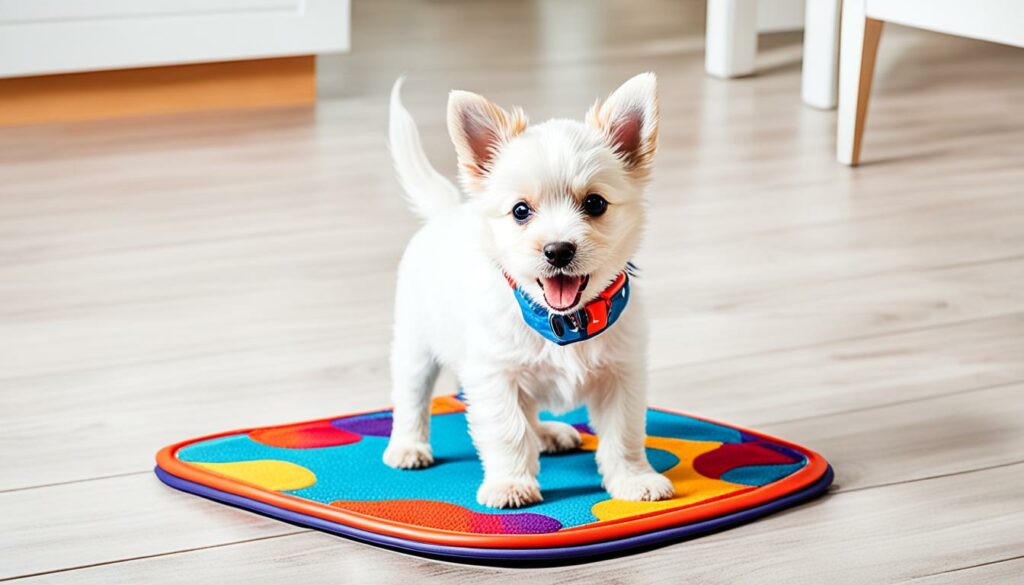
Ultimately, both puppy pads and crate training can be effective housebreaking techniques, but the choice will depend on your puppy’s unique needs, your living situation, and your personal preferences34. Consulting with a professional trainer can also provide valuable guidance in determining the best approach for your furry friend3.
Puppy pads vs crate training: Pros and Cons
When it comes to housebreaking puppies, pet owners have two primary methods to consider: puppy pads and crate training. Both approaches have their advantages and drawbacks, and the best choice depends on your specific situation and preferences. Let’s explore the pros and cons of each puppy training technique.
Advantages of Using Puppy Pads
Puppy pads can provide a convenient indoor potty option for puppies who may not be able to hold it until they can be taken outside. This can be particularly useful for puppies living in apartment settings or during inclement weather5. Additionally, puppy pads allow the puppy to get accustomed to the idea of a designated potty area without the immediate need to go outside.
Drawbacks of Puppy Pads
While puppy pads offer some advantages, they can also have their drawbacks6. Relying too heavily on puppy pads can prolong the outdoor potty training process, as puppies may become confused about where they should eliminate6. Furthermore, some puppies, such as Havanese dogs, may be inclined to destroy or even eat the puppy pads, creating a potential health hazard5.
Another concern with puppy pads is the potential for dogs to confuse the pad with a suitable indoor potty area, leading to unwanted indoor accidents5. To address this, it is recommended to have multiple indoor potty areas, especially with a new or young dog, and to ensure the potty area is cleaned daily to avoid dogs refusing to eliminate on soiled surfaces5.
In contrast, crate training can be a highly effective method for housebreaking puppies, as it leverages the dog’s natural instinct to avoid soiling its sleeping space6. However, it is essential to provide the puppy with ample exercise and socialization during the day to prevent behavioral issues that may arise from extended crate confinement6.
Ultimately, the choice between puppy pads and crate training depends on your personal preferences, your living situation, and the needs of your individual puppy. By understanding the pros and cons of each method, you can make an informed decision that sets your furry friend up for success in the housebreaking process.
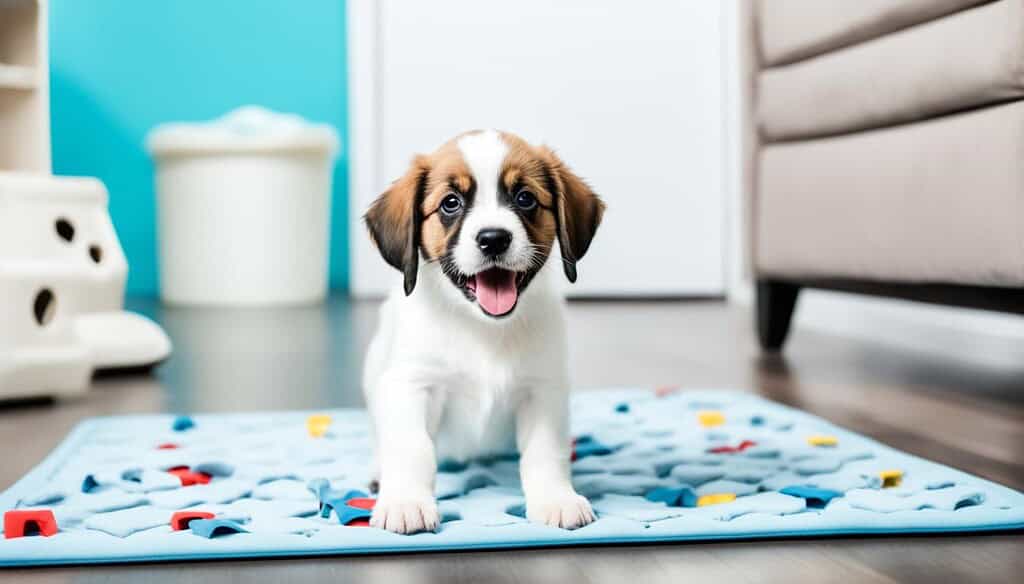
| Puppy Pads | Crate Training |
|---|---|
| Convenient indoor potty option for puppies | Leverages the dog’s natural instinct to avoid soiling its sleeping space |
| Allows the puppy to get used to a designated potty area | Requires ample exercise and socialization during the day to prevent behavioral issues |
| Can prolong the outdoor potty training process | Recommended to start around 12 weeks of age for optimal effectiveness |
| Some puppies may destroy or eat the pads | Puppies can typically hold their pee for around 2 hours at 8 weeks old |
Tips for Effective Potty Training with Crates or Pads
Successful house training for your puppy, whether you choose to use puppy pads or crate training, relies on consistency and patience7. Establish a regular schedule for taking your puppy outside to eliminate, and stay vigilant in monitoring their behavior for signs that they need to go. When using a crate, ensure it is the appropriate size to prevent the puppy from using one area to sleep and another to eliminate7.
If you opt for puppy pads, consider placing them in a designated area and gradually transitioning the puppy to go outside7. Positive reinforcement, such as treats and praise, can also be highly effective in encouraging the desired behavior8.
- Take your puppy out to toilet regularly during the night (e.g., at 12 am, 3 am, and 6 am) and gradually extend the intervals as your puppy grows8.
- Do not lock your puppy in the crate for more than two hours during the day and three hours at night initially8.
- Avoid punishing your puppy for accidents, as it is your responsibility to provide enough opportunities for them to go outside8.
Remember, the physical and mental training required for complete potty training can take 4-6 weeks, depending on the size and breed of your puppy8. With consistency, patience, and the right training methods, you can successfully house train your new furry friend.
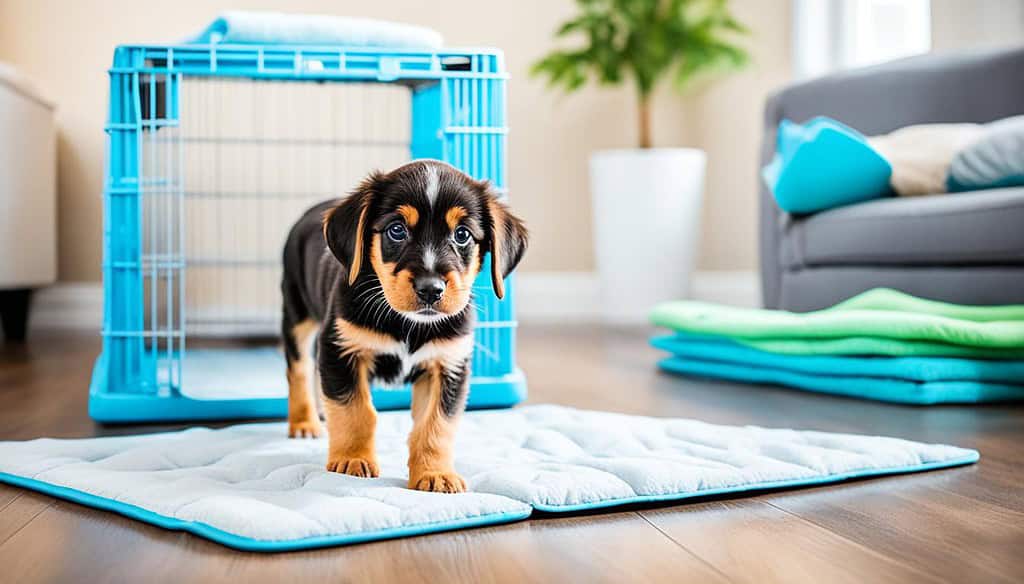
| Puppy Pad Training | Crate Training |
|---|---|
| May take 5-6 weeks to toilet train8 | Can lead to 90% trained in 2 weeks8 |
| Puppies may become accustomed to soiling where they sleep7 | Crate must be small for effective results7 |
| Puppies under a certain age may not have full bladder control7 | Enzymatic cleaners recommended to remove odors7 |
Ultimately, the success of your puppy’s potty training depends on your commitment to the process and your willingness to adapt your approach as needed. With the right techniques and a lot of patience, you can help your furry friend develop healthy elimination habits that will benefit both of you for years to come78.
Conclusion
Choosing between puppy pads and crate training for house training your new puppy depends on your individual circumstances and preferences9. Puppy pads can provide a convenient indoor option, but may make the transition to outdoor potty training more challenging9. Crate training, on the other hand, can be an effective method for teaching puppies to hold their bladder and bowels, but requires more consistent effort and supervision10.
Ultimately, the best approach will be the one that aligns with your lifestyle and helps your puppy learn to eliminate in the desired location11. With patience, consistency, and positive reinforcement, you can successfully potty train your furry friend using either method10.
It’s important to remember that puppy training can be a gradual process, and the timeline may vary depending on your puppy’s age and individual needs11. By understanding the pros and cons of each approach and tailoring your training methods to your puppy’s unique personality and your own preferences, you can set your new furry companion up for success in the long run.
FAQ
What are the key differences between using puppy pads and crate training for potty training?
Puppy pads provide a designated indoor potty area, while crate training teaches puppies to hold their bladder and bowels until they can be taken outside. Puppy pads may be more convenient for indoor use, but crate training can be more effective in the long run for transitioning to outdoor potty training.
What are the advantages of using puppy pads for potty training?
The main advantages of using puppy pads include providing a convenient indoor option, especially for puppies in apartments or during inclement weather, and helping puppies get used to the idea of a designated potty area before transitioning to outdoor training.
What are the drawbacks of using puppy pads for potty training?
The main drawbacks of using puppy pads include the potential for making the transition to outdoor potty training more challenging, and the risk of the puppy developing a preference for eliminating indoors rather than outside.
How does crate training work for potty training puppies?
Crate training involves confining the puppy to a small, enclosed space when you can’t directly supervise them. This teaches the puppy to hold their bladder and bowels until they can be taken outside, as puppies naturally avoid soiling their sleeping area.
What are the keys to successful potty training using either puppy pads or crate training?
Regardless of the method, the keys to successful potty training include consistency, patience, a regular schedule for taking the puppy out, vigilant monitoring for signs the puppy needs to go, and positive reinforcement such as treats and praise when the puppy eliminates in the right place.
Source Links
- https://bondvet.com/b/puppy-pee-pads
- https://www.akc.org/expert-advice/training/the-ins-and-outs-of-potty-pad-training/
- https://www.thepuppyacademy.com/blog/2021/11/15/how-to-train-your-puppy-to-use-a-potty-pad
- https://www.preventivevet.com/dogs/pee-pad-training-is-it-a-good-idea
- https://www.havaneseforum.com/threads/pee-pads-in-crate-a-good-idea-or-not.114098/
- https://caninecarecentral.com/dog-care/should-i-put-puppy-pad-in-crate-at-night/
- https://www.blueridgehumane.org/ask-crystal-puppy-potty-training/
- https://www.petcarevets.ie/puppy-crate-toilet-training/
- https://www.holidays4dogs.co.uk/puppy-house-training-pads-useful-not/
- https://www.thedoorbuddy.com/blogs/door-buddy/puppy-house-training-tips-new
- https://shophiddin.com/blogs/news/how-to-pad-train-a-puppy-how-long-does-it-take
